

Hey there! I'm a supplier of Industrial Fans with PMSM (Permanent Magnet Synchronous Motor) motors, and I'm super stoked to chat with you about the energy - saving rate of these bad boys compared to traditional fans.
Let's start by understanding what makes PMSM motors so special. A PMSM motor uses permanent magnets in its rotor, which gives it some major advantages over the motors in traditional fans. Traditional fans typically use AC induction motors. These motors have been around for ages, and they work okay, but they've got some limitations.
One of the biggest issues with AC induction motors is their efficiency. They waste a fair amount of energy in the form of heat. The way they operate causes the stator windings to heat up, and that heat is basically energy that's not being used to move air. It's just going to waste. On the other hand, PMSM motors are designed in a way that they have a much higher power - to - weight ratio and better efficiency.
The energy - saving rate of an industrial fan with a PMSM motor can vary depending on several factors. For starters, the load on the fan matters. If the fan is running at a constant, high - speed operation, the PMSM motor really shines. It can maintain a high level of efficiency across a wide range of speeds. In contrast, traditional AC induction motors tend to lose efficiency as the speed changes.
Let's talk about some real - world numbers. In general, industrial fans with PMSM motors can save anywhere from 30% to 60% more energy compared to traditional fans. This is a huge deal, especially for large industrial facilities that have multiple fans running 24/7. Imagine the amount of money you could save on your electricity bill just by switching to PMSM - powered fans!
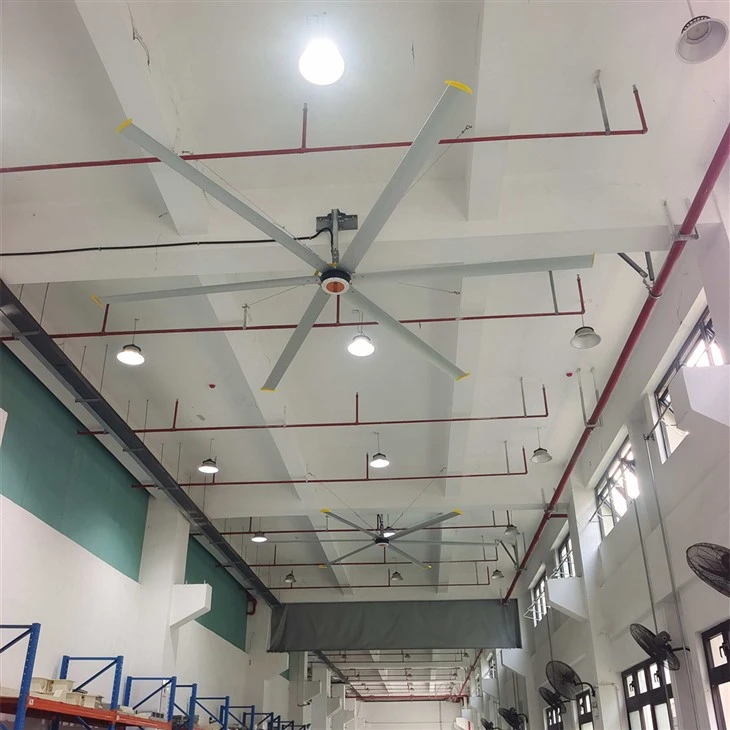
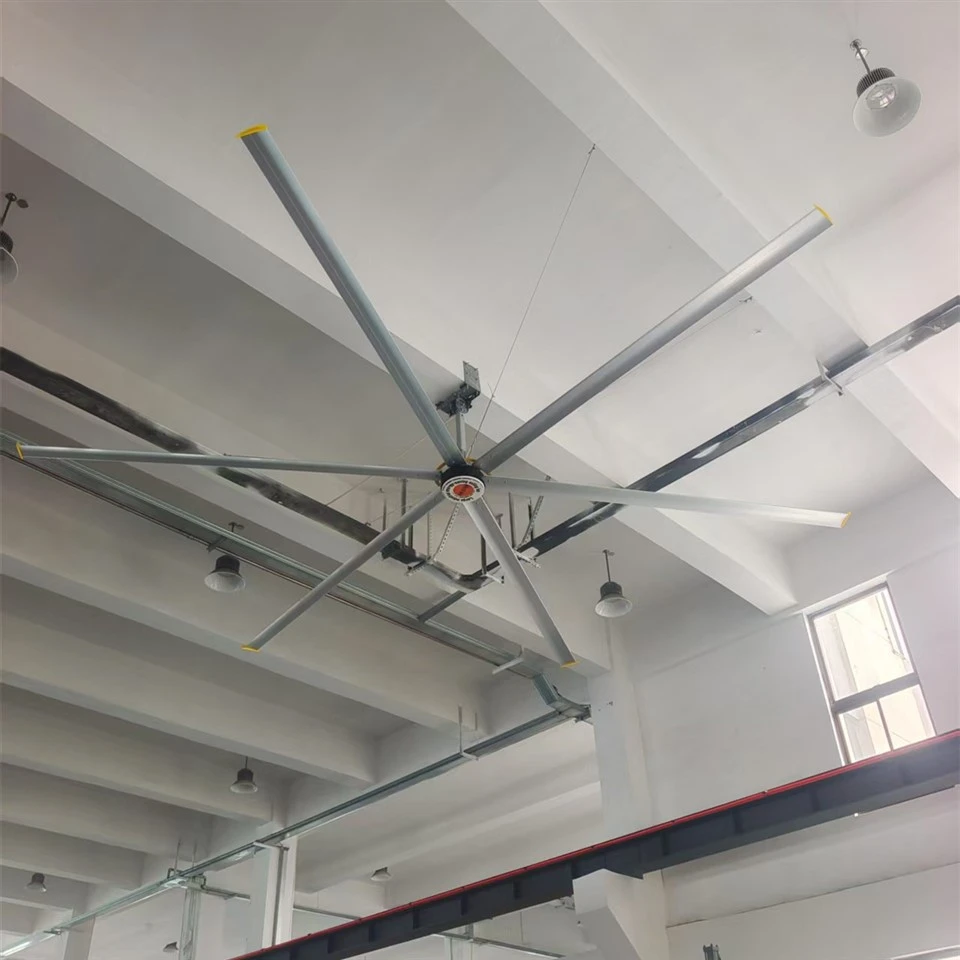
Another factor that affects the energy - saving rate is the control system. PMSM motors can be easily integrated with advanced control systems. These systems can adjust the speed of the fan based on the actual needs of the environment. For example, if the air quality in a factory is good, the fan can slow down, saving energy. Traditional fans often run at a fixed speed, regardless of whether they need to be working at full blast or not.
I know you might be thinking, "That all sounds great, but how do these fans perform in different applications?" Well, that's where our product range comes in. We offer a variety of PMSM - powered industrial fans to suit different needs.
If you're looking for a fan to install in a large open space, like a warehouse or a gym, our Low Velocity Large PMSM Fan is a great option. These fans are designed to move a large volume of air at a low velocity, creating a comfortable and energy - efficient environment. They can cover a wide area, so you might not need as many fans to get the job done.
For more confined spaces, like offices or small workshops, our PMSM Ceiling Fan is a perfect fit. These fans are compact but still pack a punch when it comes to energy savings. They can be installed easily on the ceiling, and they'll keep the air circulating without using a ton of electricity.
And if you need a high - performance fan for a specific industrial process, our 6 Feet PMSM HVLS Fan is the one. HVLS stands for High - Volume, Low - Speed, and these fans are designed to move a massive amount of air at a relatively low speed. This not only saves energy but also reduces noise levels, which is a big plus in a work environment.
Now, let's talk about the long - term benefits. Beyond the immediate energy savings, PMSM - powered industrial fans also have a longer lifespan compared to traditional fans. The PMSM motors are more reliable and require less maintenance. You won't have to worry about replacing parts as often, which means less downtime and more productivity for your business.
Also, from an environmental perspective, using energy - efficient fans is a great way to reduce your carbon footprint. As businesses become more conscious of their environmental impact, making the switch to PMSM - powered fans is a simple yet effective way to do your part.
If you're still on the fence about whether to make the switch, I'd be more than happy to provide you with a case study or two. We've worked with many clients across different industries, and they've all seen significant improvements in their energy consumption and cost savings after switching to our PMSM - powered fans.
So, if you're interested in learning more about our Industrial Fans with PMSM motors or want to discuss a specific application for your business, don't hesitate to reach out. Whether you're looking to upgrade your existing fans or are starting a new project, we've got the expertise and the products to meet your needs. Let's start a conversation and see how we can help you save energy and money!
References
- Alberts, J., & Smith, A. (2020). Energy - efficiency comparison of PMSM and AC induction motors in industrial applications. Journal of Industrial Energy and Efficiency.
- Brown, C. (2019). The future of industrial fans: PMSM technology. Industrial Fan Review.